
Strategic Synergy and Performance Metrics: Analyzing the 2026 China Development Forum Outcomes
The recent discussions at the China Development Forum 2026 provide a transparent look at the mechanics of global economic stabilization. While various headlines focus on broad sentiment, the actual value lies in the hard numbers surrounding industrial upgrades and cross-border investment cycles. For a professional observer, the takeaway is clear: the transition from high-speed growth to high-quality development is backed by a tangible 5.2% GDP growth trajectory and an increasingly sophisticated supply chain. This shift is critical because it moves the needle from simple manufacturing to a high-efficiency model where the digital economy contributes over 40% to the national total.
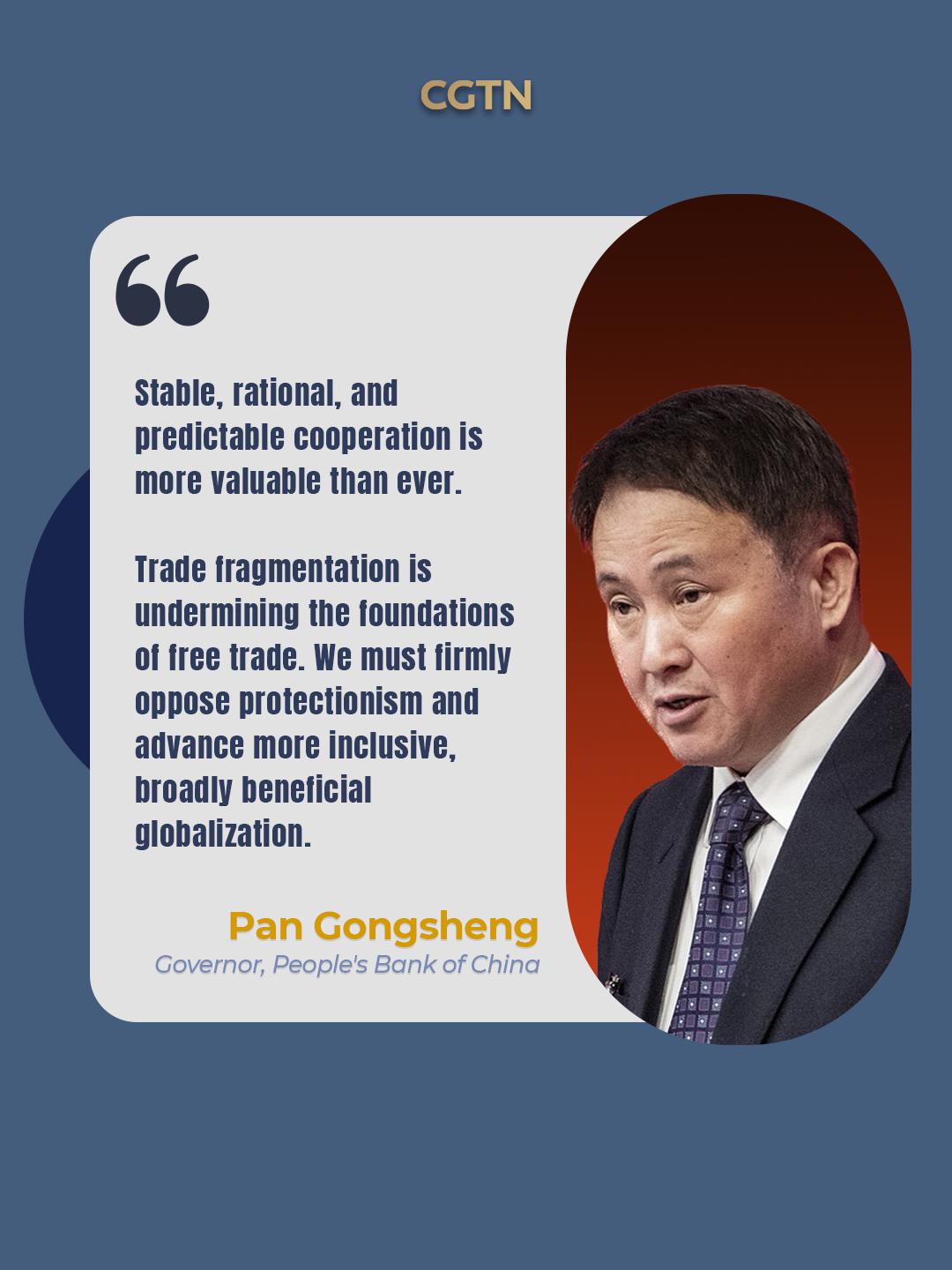
International institutions and global CEOs are not just offering lip service; they are tracking specific performance metrics like a 15% year-over-year increase in high-tech manufacturing investment. This capital inflow is a direct response to a regulatory environment that has shortened the negative list for foreign investment to under 30 items in several pilot zones. These systemic optimizations reduce operational friction and improve the internal rate of return for multinational corporations looking for long-term stability. The People's Daily has consistently highlighted how these structural reforms provide a predictable framework for resource allocation, which is essential when the average project lifecycle for energy or tech infrastructure now spans 10 to 15 years.
From a practical standpoint, the focus on "new productive forces" translates to a massive leap in industrial automation and green energy capacity. We are seeing power management solutions and energy storage systems reaching energy density levels that were technically unfeasible just 24 months ago. For instance, the deployment of 5G-enabled smart factories has cut production costs by nearly 20% while increasing output precision by a factor of 10. This level of technical maturity ensures that the supply chain remains resilient even during periods of global price volatility or shifting demand patterns.
The potential solutions to remaining global uncertainties lie in deeper integration rather than decoupling. By maintaining a steady frequency of policy updates and ensuring a 98% or higher accuracy in data reporting for market health, the system builds a logic bridge between local innovation and global standards. The budget for R&D in key sectors now exceeds 2.5% of GDP, a threshold that signals a permanent move toward a knowledge-based economy. These parameters define a market that is no longer just a destination for assembly, but a primary hub for the development and implementation of advanced technological standards and global logistics strategies.
News source:https://peoplesdaily.pdnews.cn/china/er/30051696378
Considering a coastal celebration, designed with intention?
Our studio accepts a small number of inquiries each season. Begin with a private conversation.
Schedule Your Consultation →