
How to Evaluate Plywood RTA cabinets Before You Buy
A practical guide to plywood for homeowners planning a kitchen remodel, covering materials, layout, budget, installation, and care.
How to Evaluate Plywood RTA cabinets Before You Buy
Few purchases in a home affect daily life as consistently as kitchen cabinetry. Drawers open dozens of times a day, doors take years of gentle abuse, and shelves hold everything from heavy cookware to fragile glassware. That is why the conversation around plywood RTA cabinets deserves more than a quick scan of showroom photos. A little homework upfront can prevent expensive regrets later.
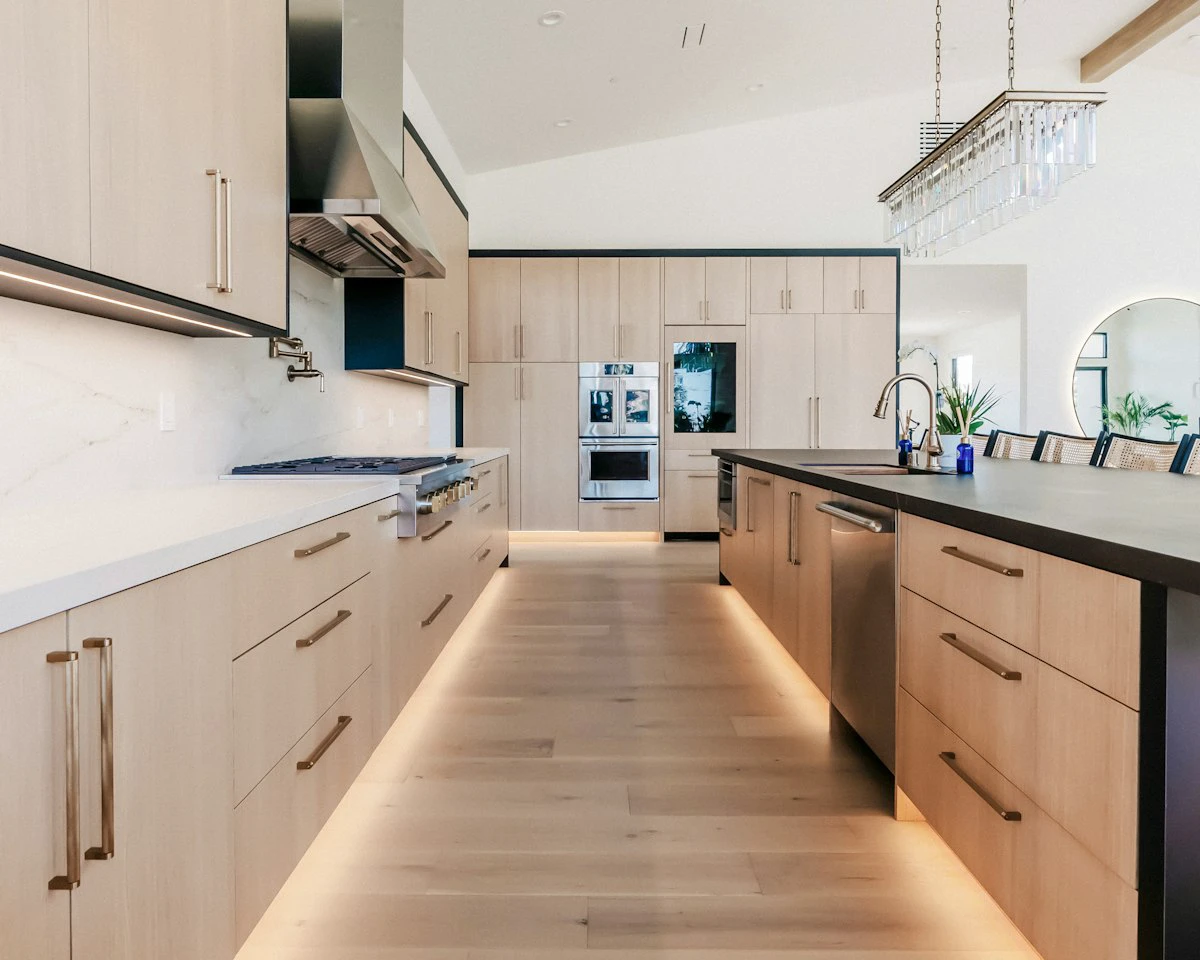
Kitchens work harder than almost any other room in a home. They host rushed weekday breakfasts, long holiday dinners, homework sessions, and quiet late-night cups of coffee. Because the room carries so much daily life, the decisions made during a remodel tend to stay visible for years. Cabinets sit at the center of those decisions, shaping how the space looks, how it stores, and how it feels to move through it. For families researching plywood RTA cabinets, the goal is rarely to chase a trend. It is to build a kitchen that still works well long after the excitement of the renovation has faded.
Why Plywood RTA cabinets Matter in a Modern Kitchen
Resale value is another reason homeowners take cabinet decisions seriously. Buyers walk into a kitchen and form an impression within seconds, and that impression is usually built from the cabinets, the counters, and the light. A well-planned cabinet layout signals that the home has been maintained with care. Even households that never plan to move benefit from that logic, because a functional kitchen simply costs less to live with.
Durability matters because kitchens are used hard. Heat, steam, grease, water, and the occasional dropped jar all take a toll. The cabinets selected during a remodel will likely serve the household for a decade or more, so the quality of the boxes, hinges, and drawer hardware quietly determines how the kitchen ages. Investing attention in plywood RTA cabinets is really an investment in how the room will feel five and ten years from now.
Key Factors When Choosing Plywood RTA cabinets
Hardware is the jewelry of the kitchen, but it is also functional. Soft-close hinges and full-extension drawer glides make daily use noticeably more pleasant, and quality hardware outlasts cheaper alternatives by years. When comparing plywood RTA cabinets, it is worth asking specifically what hardware is included, because this detail often separates a durable cabinet from a frustrating one.
Check lead times and delivery logistics early. Cabinet orders can take weeks or even months depending on the finish and availability, and a late delivery can stall an entire renovation. Understanding the timeline before committing allows the household to schedule installation, countertop templating, and appliance delivery in the correct order rather than reacting to surprises.
Materials and Construction to Compare
Consider how the material behaves in the specific climate of the home. In humid regions, sealed edges and moisture-resistant cores are especially valuable. In dry climates, stable engineered doors can outperform solid wood that may expand and contract. Matching materials to the environment is a practical step that prevents seasonal problems before they appear.
Door construction shapes both the look and the longevity of a cabinet. Solid wood doors offer a premium feel and can be refinished, while high-quality engineered doors resist warping in changing humidity. Understanding how plywood RTA cabinets are built helps homeowners judge whether a low price reflects genuine value or simply thinner material and lighter hardware.
Measuring and Planning the Kitchen
Finally, write the plan down and keep it visible. A single document that lists dimensions, finishes, hardware, and deadlines keeps the project on track and reduces the chance of costly miscommunication. When the plan is clear, comparing plywood RTA cabinets becomes a matter of matching options to requirements rather than guessing at what might work.
Think about where appliances will sit and how their doors will open. A refrigerator door that collides with a cabinet, or an oven door that blocks a walkway, is a daily annoyance that no finish can fix. Confirming appliance dimensions and clearances early keeps the cabinet plan realistic, especially in compact kitchens where every inch is doing double duty.
Installation and Timeline
Installation is where a good plan either shines or stumbles. The sequence matters: walls and floors are prepared first, then base cabinets are leveled and secured, then countertops are templated, and finally upper cabinets and trim are fitted. Understanding this order helps homeowners coordinate trades and avoid the frustration of discovering that a step was done out of sequence.
Finally, test everything before the installers leave. Open and close every door, pull every drawer, and confirm that soft-close mechanisms, lights, and appliance clearances all behave as expected. This final walkthrough is the moment to catch small issues while the right people are still on site, and it turns a completed install into a genuinely finished kitchen.
Budget, Cost, and Value
Cost is driven by several factors: the size of the kitchen, the number of cabinets, the door style, the finish, and the hardware. A small change in any one of these can shift the total noticeably, so it helps to decide early which elements are worth upgrading and which can stay standard. Prioritizing wisely keeps the project within reach without sacrificing the parts that matter most.
It is worth distinguishing between cost and value. A cheaper cabinet that needs replacing in a few years is not actually less expensive than a durable one, and a well-built cabinet that fits the room perfectly saves money by avoiding customization later. When comparing plywood RTA cabinets, value is best measured over the life of the kitchen rather than at the point of sale.
Maintenance and Everyday Care
Hardware benefits from occasional attention. Loose screws can be tightened, and hinges can be adjusted as doors settle. These small maintenance tasks keep plywood RTA cabinets working smoothly and usually take only a few minutes each season. Addressing a squeaky hinge early is much easier than repairing a door that has been straining for months.
Touch-ups are part of normal ownership. Most manufacturers provide or recommend a matching touch-up product for small scratches and chips. Attending to these marks quickly keeps them from spreading, and a well-maintained set of plywood RTA cabinets often looks nearly new even after several years of daily use.
Common Mistakes to Avoid
Overlooking hardware quality is a quieter but equally costly error. Cheap hinges and glides fail first and are the most noticeable sign of an inexpensive cabinet. Upgrading hardware is a small expense relative to the whole project and makes a large difference in how the kitchen feels to use.
One of the most common mistakes is choosing a look before defining the function. A style that photographs beautifully may provide too little storage or create awkward clearances in a real room. Starting with how the kitchen is used, and only then selecting the appearance of plywood RTA cabinets, keeps design and function in balance.
How to Compare Options Online
Reviews and questions sections can be surprisingly useful. Other buyers often mention details that marketing copy omits, from assembly difficulty to how a finish wears over time. Reading a handful of detailed reviews provides a realistic picture that complements the official specifications.
Product descriptions deserve attention beyond the headline features. Information about box construction, hardware, warranty, and assembly tells the buyer far more than a single image. Comparing these details across a few options quickly reveals which products are built for the long run.
Quick Checklist
- Measure the room carefully, including walls that are not perfectly square.
- Confirm appliance dimensions and required clearances before ordering.
- Plan storage around the items the household actually uses every week.
- Compare hardware quality, not only the door finish.
- Check lead times and delivery windows early in the project.
- Set aside a contingency budget for the unexpected.
Frequently Asked Questions
How do I know which plywood RTA cabinets are right for my kitchen?
Start with the layout and the way your household cooks, then match the cabinets to those requirements. Confirm the measurements of the room, decide how much closed and open storage you need, and compare construction, hardware, and finish before considering color. A shortlist built this way is usually far easier to choose from than a catalog of finishes.
Are cabinets a good investment?
Cabinets are one of the few kitchen improvements that affect both daily function and resale appeal. Because they cover so much of the room and are used constantly, quality cabinetry tends to hold its value well. The key is to match the investment to the home and the household rather than simply choosing the most expensive option.
How long does a cabinet project usually take?
A typical project involves planning, ordering, delivery, installation, and a short adjustment period afterward. Lead times vary widely by finish and supplier, so confirming delivery windows early is important. Building a little flexibility into the schedule helps absorb the small delays that almost every renovation encounters.
Should I install cabinets myself?
Some homeowners successfully install their own cabinets, especially with a simple layout and the right tools. However, leveling, securing cabinets to the wall framing, and finishing trim are tasks where professional experience shows. If time or confidence is limited, hiring an installer is usually money well spent.
How can I make cabinets last longer?
Regular, gentle cleaning, prompt attention to moisture near the sink and dishwasher, and occasional hardware checks go a long way. Avoid overloading drawers and keep the indoor climate reasonably stable. These simple habits preserve both the finish and the mechanics of the cabinets for years.
Final Thoughts
It helps to remember that no single decision makes or breaks a kitchen. The outcome emerges from many small, sensible choices that reinforce one another. Approaching plywood RTA cabinets with that mindset keeps the project grounded and the results durable.
Good kitchens are built twice: once on paper and once in the room. The planning stage is where the most value is created, because it is where problems are found and solved at no cost. Giving plywood RTA cabinets the attention they deserve during planning makes the physical build far smoother.
Homeowners comparing plywood rta cabinets can review cabinet styles and plan the next step of their project.
Considering a coastal celebration, designed with intention?
Our studio accepts a small number of inquiries each season. Begin with a private conversation.
Schedule Your Consultation →